MEET THE MAKER - Tim McInerny Wood be Good
March 2026
Today we sit down with the co-founder of Wood be Good, Tim McInerny, who has partnered with Thor’s Hammer to bring recycled Indonesian timber species here to Australia. We have a shipping container of reclaimed timber, Ulin (Ironwood) and Teak arriving in Canberra mid-April 2026.
Wood be Good is built on a simple but powerful idea: that the best timber for the future may already exist in the past. Founded by Tim McInerny and his co-founders Allan Køhn and Jacob Telcs, the business sources reclaimed hardwood from across Indonesia and gives it a second life in new projects in Europe and now Australia. Their work focuses not just on recovering remarkable timbers like Teak and Ulin, but on building trusted relationships with salvagers and communities who carefully dismantle old structures and preserve the timber within them.
With a background in humanitarian work and a lifelong connection to wood, Tim brings a broader perspective to the timber trade, one that considers environmental impact, community partnerships and long-term forest health alongside the beauty and durability of the material itself.
Tim shares the story behind Wood be Good, the reclaimed timber now arriving at Thor’s Hammer, and why he believes reclaimed timber is set to become an essential part of how we build in the future.
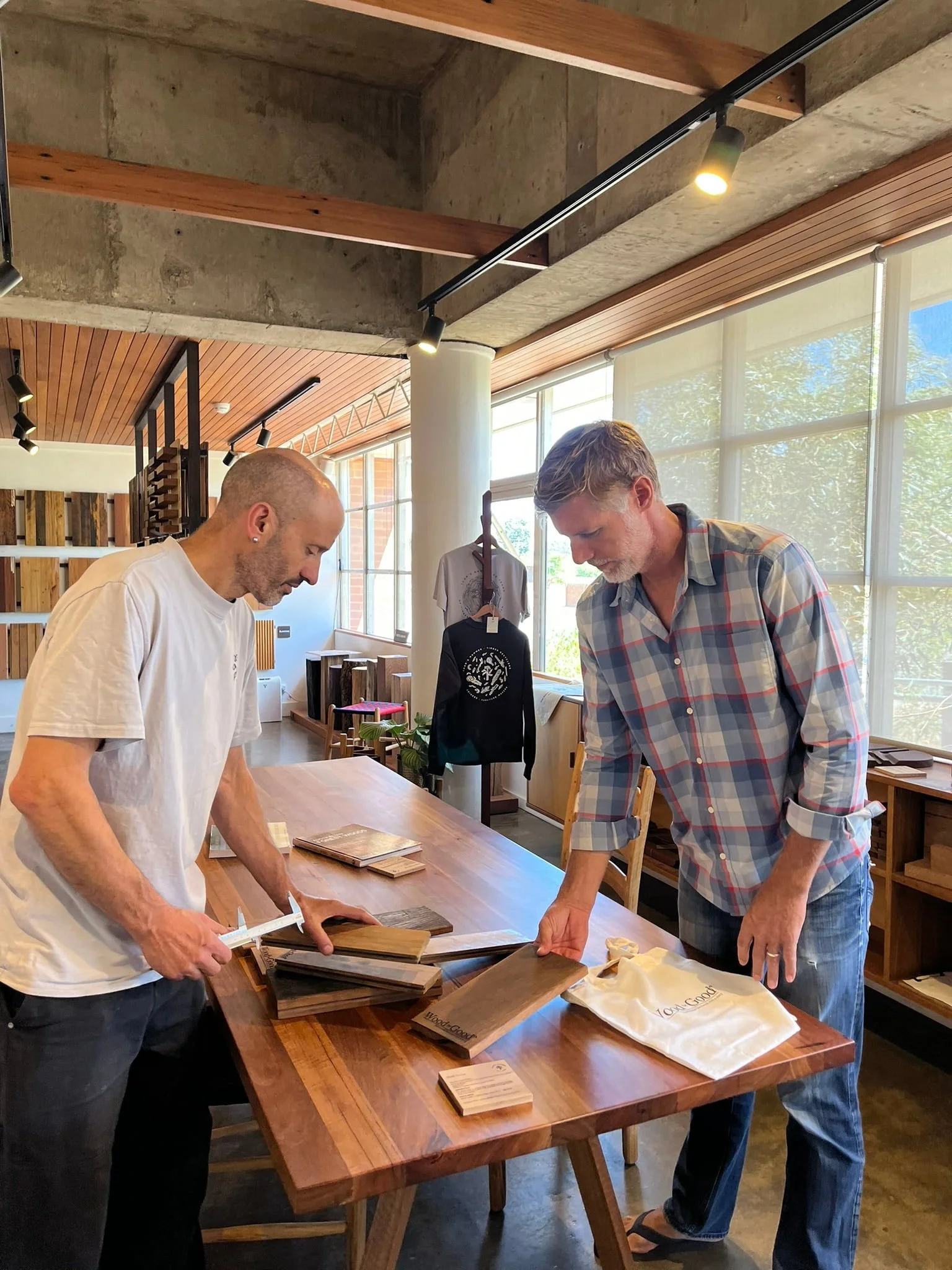
Thor and Tim looking through the Ulin and Teak sample boards.
Tell us about your journey — where did you grow up and what early experiences shaped who you are today?
I grew up on a cattle property just south of Tharwa. A typical country kid, I spent my time raiding the old shearing shed for scraps of wood to build tree houses and bike jumps. In those days it was understood that if you needed something, you figured out how to make it. That was the norm.
By the time I was a teenager, I was mowing lawns for our neighbour, Jan Saltet - a partner of Thor's Hammer, and the man behind Greenwood Chairs. Jan took me under his wing and taught me how to build with green wood. I still have really fond memories from those days with Jan. We'd renovate houses and build furniture, and I think I must have carved thousands of pieces of timber by hand.
Without really knowing it at the time, I'd developed a deep and lasting passion for wood that has shaped the way I've lived ever since. I'm naturally drawn to wood and find myself admiring old timber cabins and houses for their character and strength. I'm always looking for opportunities to work and build with wood, particularly reclaimed wood. Our home in Bali is built from recycled Teak and natural materials, and I’ve built many friendships over a shared love of wood.
What led you into humanitarian work initially, and how has that path evolved into founding and leading Wood be Good?
I grew up in a safe and loving family which I think left me with an early sense of understanding my place in the world - and a strong feeling that the opportunities given to me should be available to everyone. Within weeks of finishing high school, I joined a crew rebuilding schools in Tonga. I was 18, completely out of my depth…and I’ve never looked back!
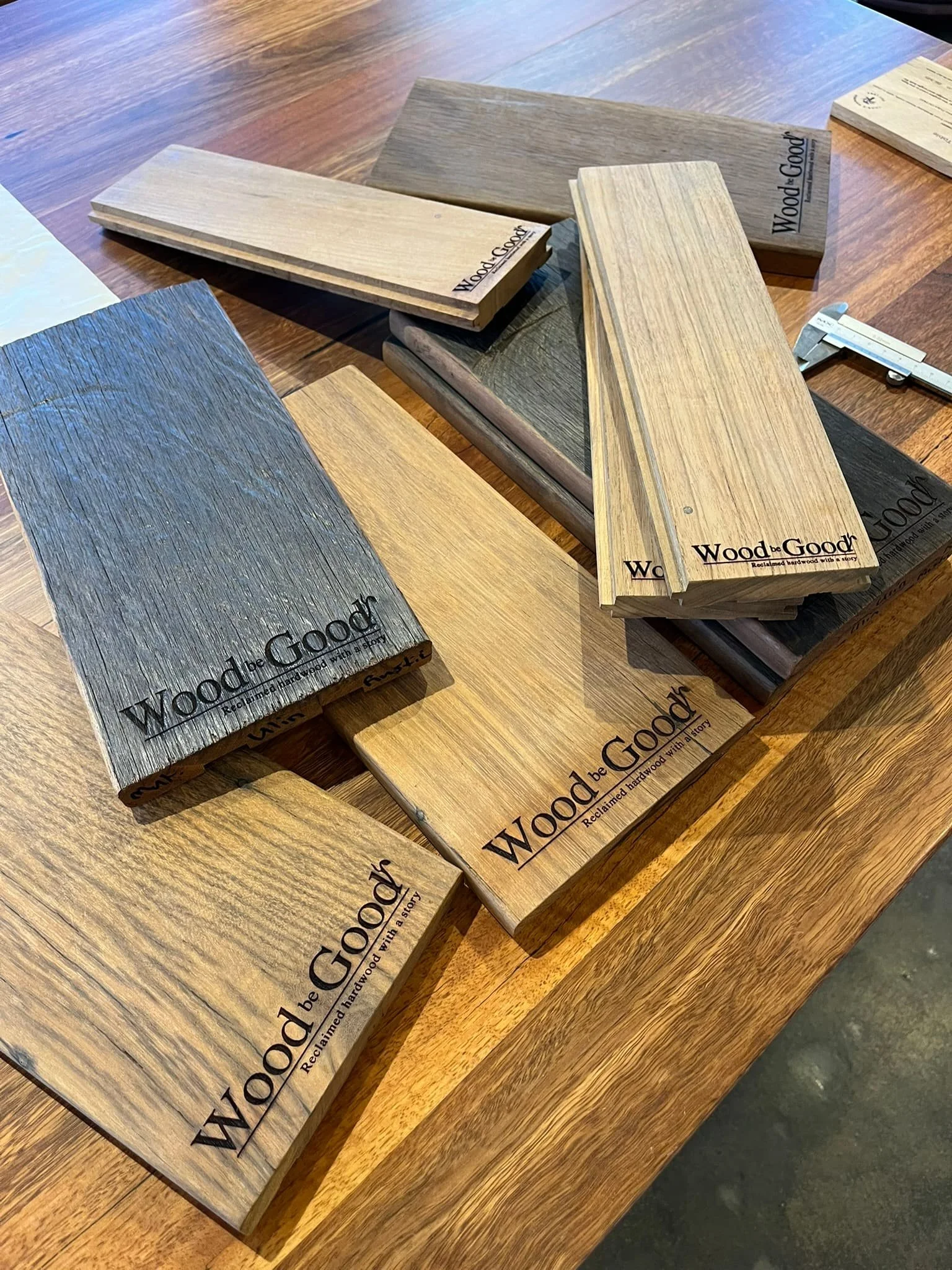
145mm wide boards coming in both Ulin and Teak.
For the last 15 years, I’ve worked alongside some of the biggest international organisations, including the Red Cross and the United Nations, supporting, coordinating and delivering support through major humanitarian crises. This work has left me with a deep understanding of systems - and their limitations - and has opened my eyes to how human crises are increasingly interconnected with the declining environmental state of the world.
We are not perfect, but along with our passion for wood, Wood be Good was born from a conscious decision to build a business that measures value more holistically, not one that is purely driven by profits. Our goal is to support the communities that are on the frontline of deforestation by telling their stories, identifying solutions and raising awareness of the realities of deforestation and how it can impact all of us. Ultimately, we hope that our effort leaves a better world for our kids and their future generations.
What's the story of the first time you met Thor?
Over the past year of scoping Wood be Good, Thor's name kept coming up; not just through research, but from family friends and even a forestry professor specialising in Indonesia. Thanks to our family friend and neighbor Jan Saltet of GreenWood Chairs, the introduction was finally made.
I came to our first meeting with a long list of questions. Thor had not only been reclaiming wood for decades, he'd built an entire ecosystem around it and I wanted to understand how. Thor was kind enough to share his experiences, and we had a wonderful conversation in the Thor’s Hammer showroom - my five year old son slept through the whole meeting on one of Thor's bed frames, which I think is a testament to Thor’s hospitality.
I left our first get together feeling genuinely elated, and not just because I love being in a wood workshop. Thor immediately understood what Wood be Good was doing and he could see that Ulin and Teak filled a real gap in the Australian market. That mentorship continues, and I deeply appreciate the support as we grow our partnership together.
Can you explain the mission behind Wood be Good?
Wood be Good means exactly what it says; the wood is good, and the work is good. We source reclaimed hardwood from Indonesia, authenticate it, and give it a second life as something beautiful and lasting.
What we're really trying to build is a system where reclaimed wood becomes so trusted and so desirable that it takes pressure off old growth forests. Over time, this will create the space to reinvest in forest regeneration, build real partnerships with local communities, and continuously improve the way we work within the supply chain.
For us, responsible sourcing is the floor, not the ceiling. The goal is to leave forests, communities and ecosystems genuinely better than we found them.
“What we’re really trying to build is a system where reclaimed wood becomes so trusted and so desirable that it takes pressure off old growth forests”
How did the business start?
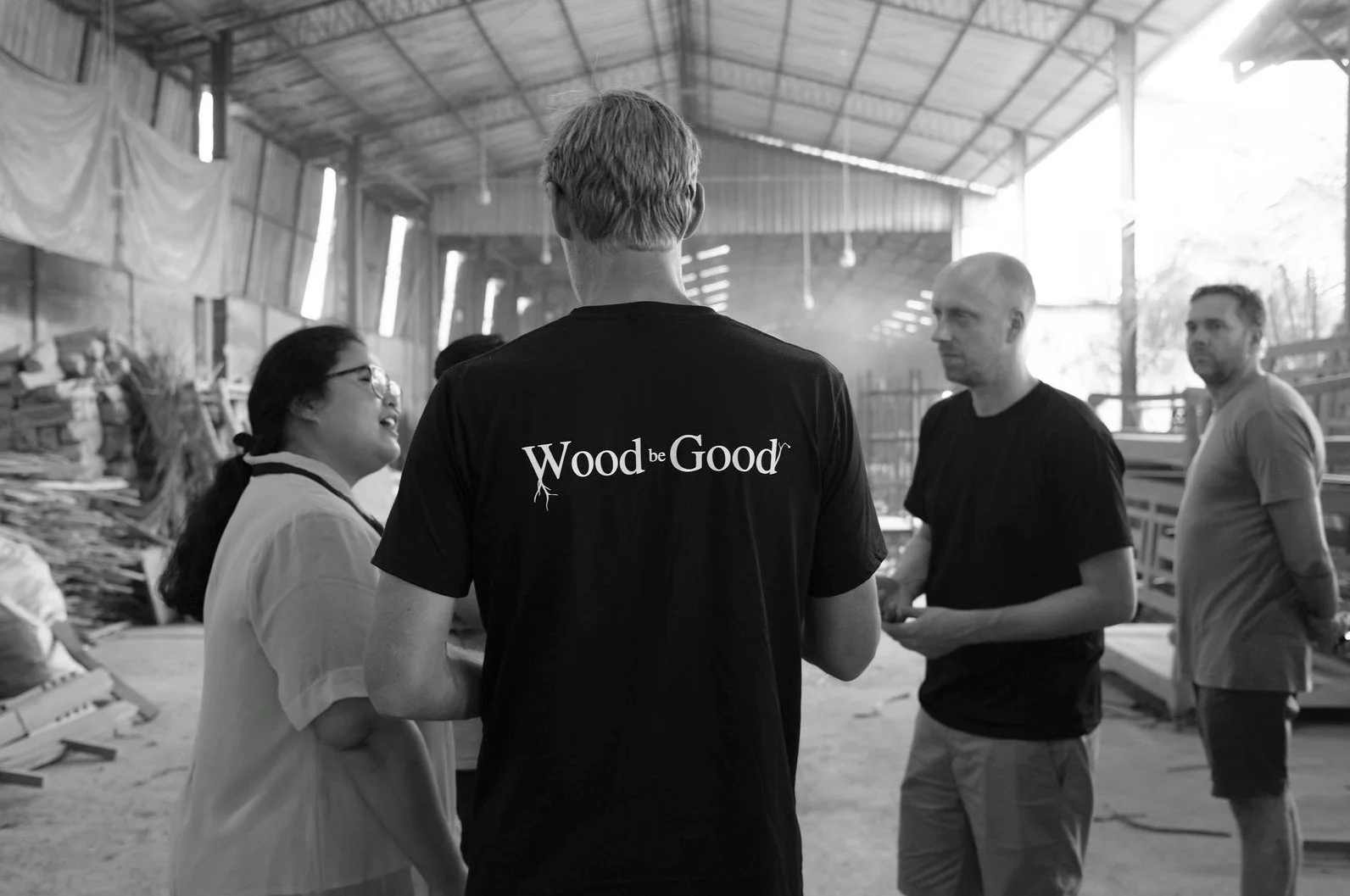
My co-founder Allan Køhn and I met building traditional log homes with hand tools in Latvia. Allan is a skilled Danish carpenter based in Copenhagen and we connected immediately. During our time in Latvia - and since - we’ve spent a lot of time trying to figure out the solution to a simple but persistent question : what if the best wood isn't newly harvested at all, but already here? - and how do we connect the places holding beautiful old wood with the places ready to give it a second life?
We discovered beautiful reclaimed wood in Indonesia, Ironwood from old structures in Kalimantan and Teak from Java and realised we'd walked into something much bigger than a timber trade. When done responsibly, this is a direct way to take real pressure off some of the planet's most critical forests.
We didn’t plan it, exactly. We just followed the wood, and it led us to where we are today.
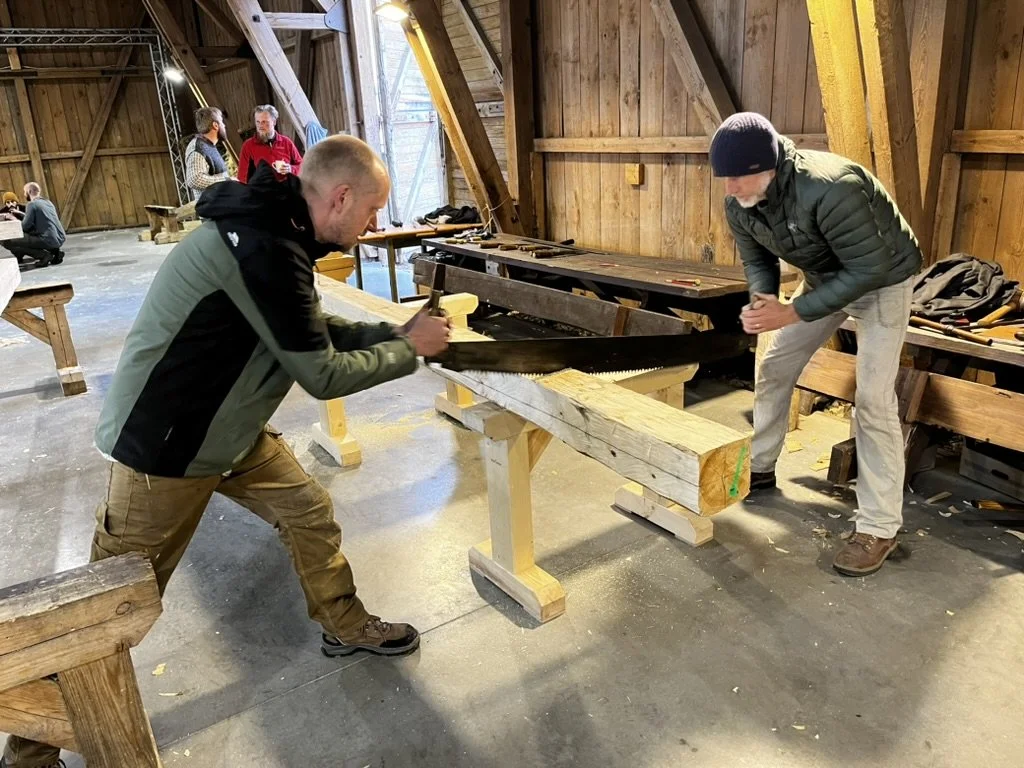
Wood be Good founders, Tim McInerny and Allan Kohn, building traditional log homes with hand tools in Latvia.
How do you source recycled timber from Indonesia, and what relationships are key to making that happen ethically and responsibly?
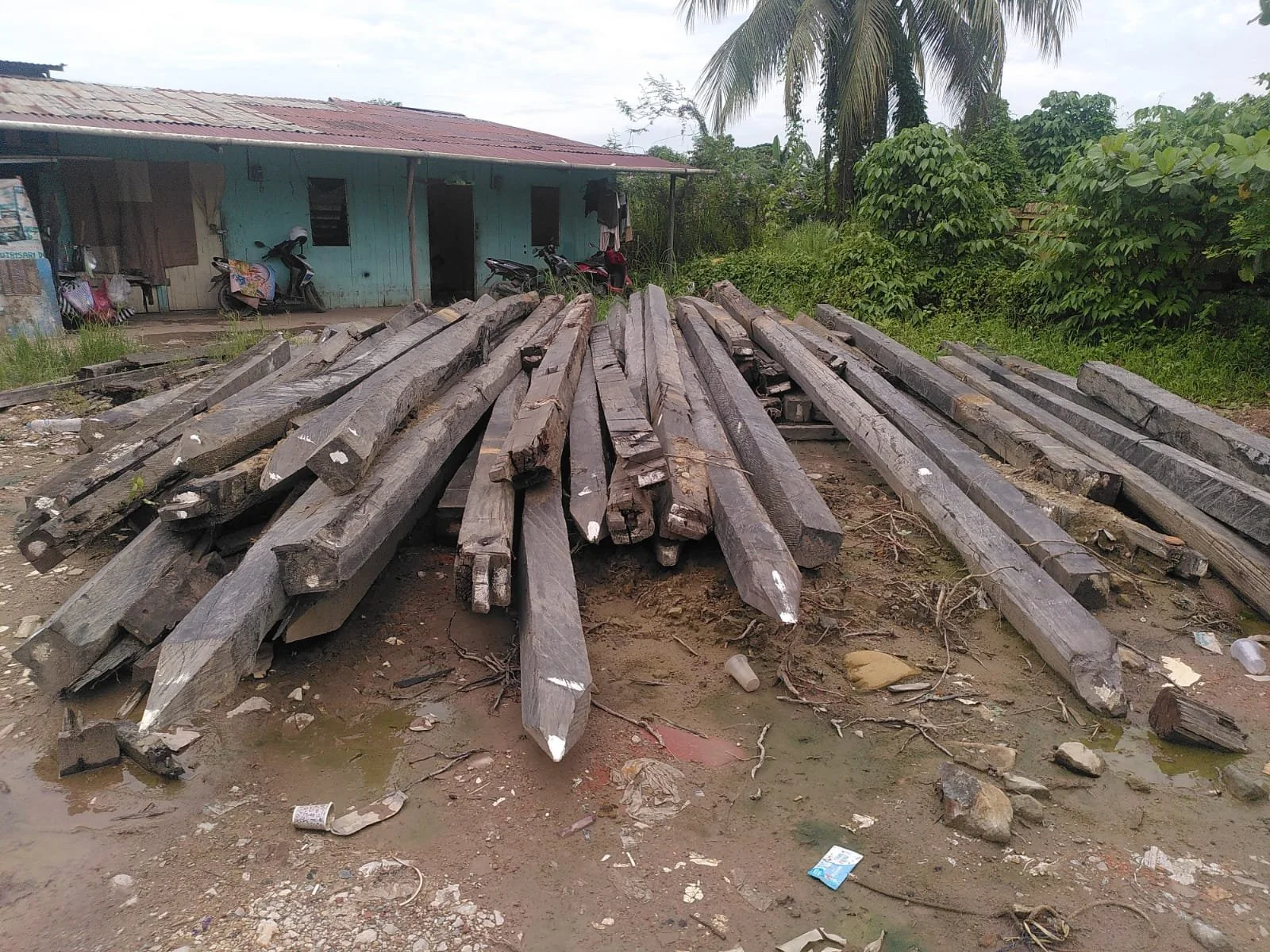
We work directly with carefully selected salvagers, milling yards and small workshops across Kalimantan, Bali and Java. We took time finding the right partners - we researched hundreds of operators and have partnered with only a handful that we deemed trustworthy enough to ensure every batch is carefully and honestly sourced.
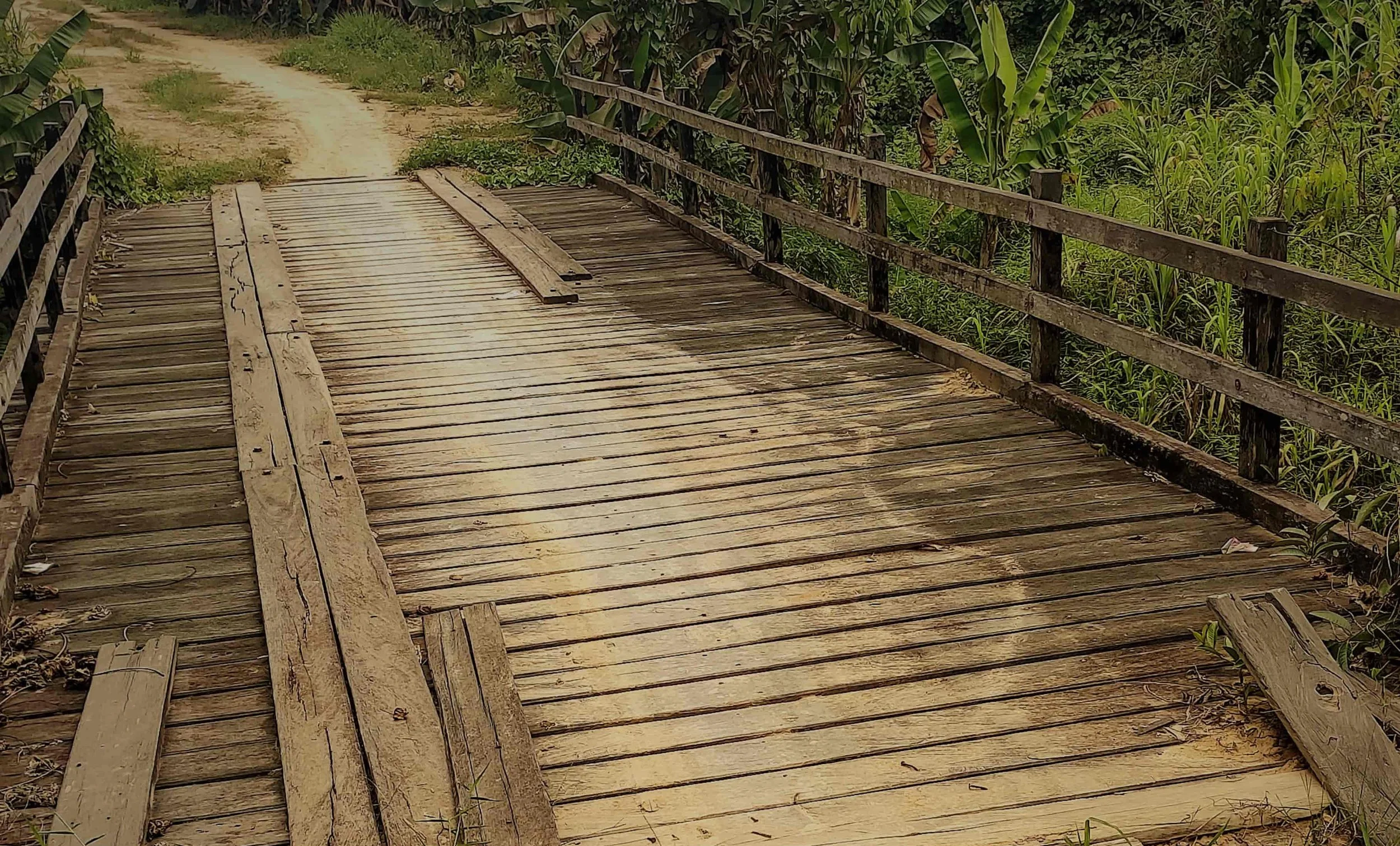
By building long term relationships with the people pulling these old structures apart, we can be sure that the wood came from somewhere real - old homes, bridges, community buildings. Every piece carries a genuine story.
Ultimately, what makes the ethical aspect real, rather than just aspirational, is presence. We're here, we know the people, and we stay accountable to them as much as they do to us.
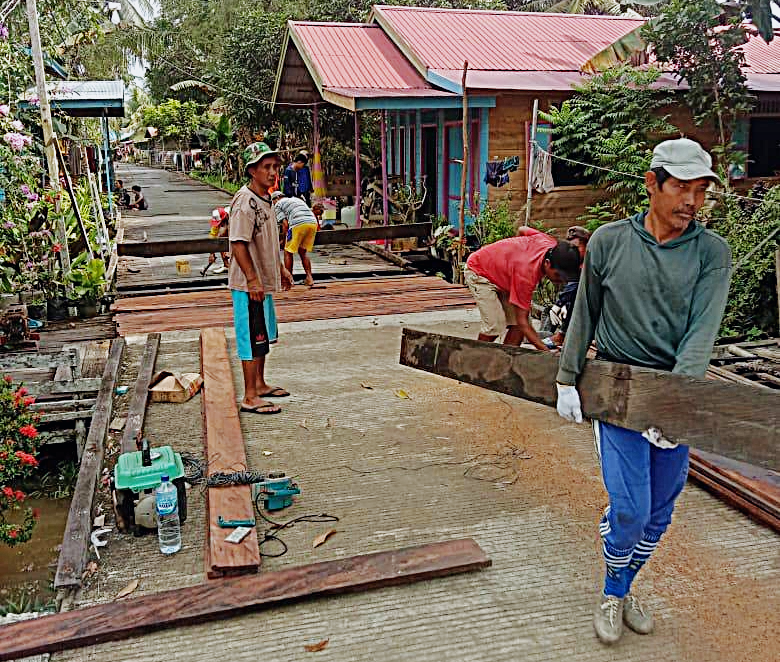
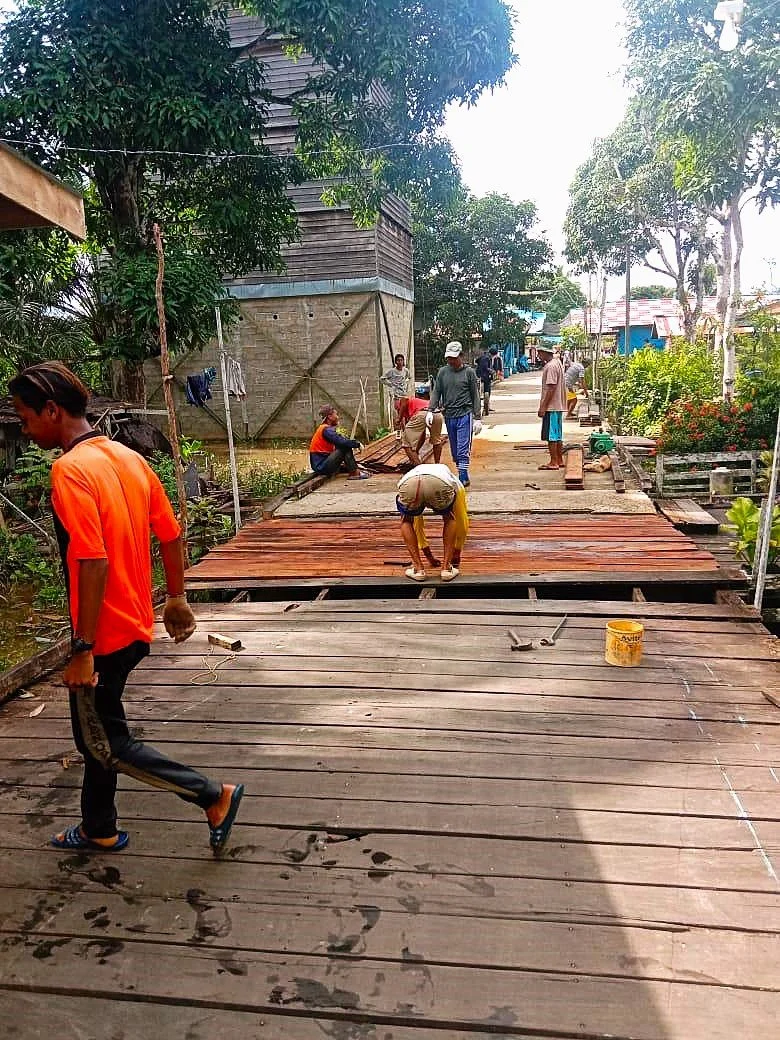
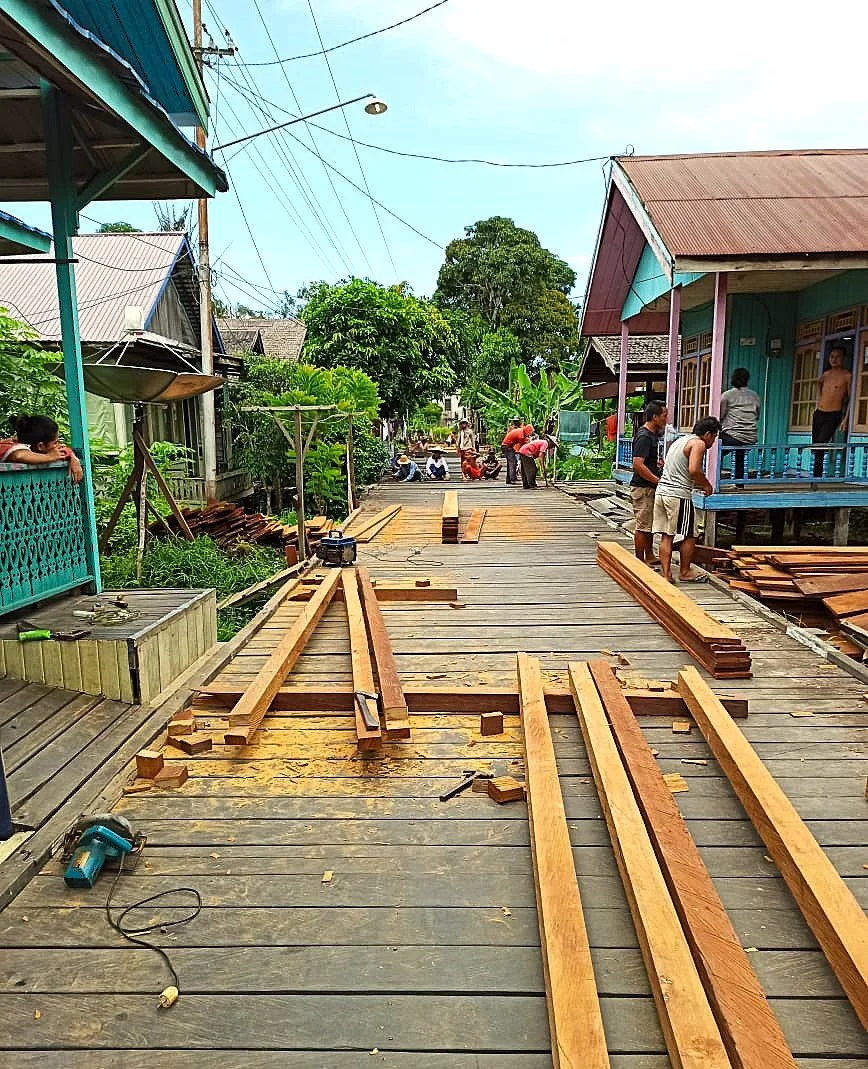
Can you tell us a bit about the Teak and Ulin Ironwood shipment headed to Thor's Hammer — why these species and what they represent?
This shipment is the result of months of careful planning between Thor and our team — the first reclaimed Indonesian hardwood to land in Canberra, and we're proud that Thor's Hammer is the home for it. Every species, every format and every dimension was chosen deliberately, with the Australian market in mind.
The Ulin, or Ironwood, is remarkable timber. Dozens of tree species around the world carry the name Ironwood, but Ulin is widely regarded as the hardest and most durable of them all. Pulled from old structures in Kalimantan — bridges, boardwalks and traditional buildings that have already stood for decades — it arrives with a proven track record that no newly harvested timber can claim.
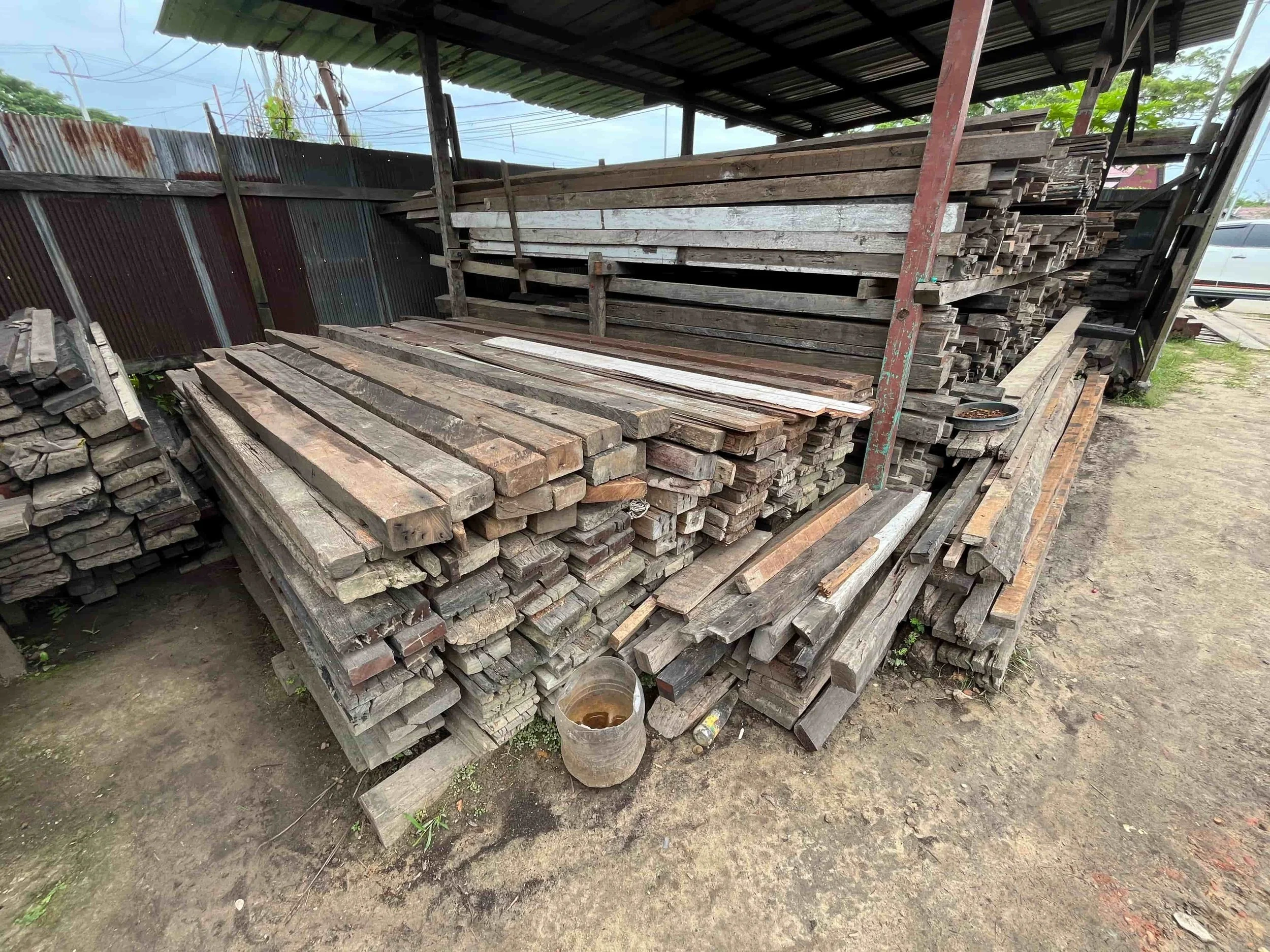
The reclaimed Teak we've chosen for Thor comes from dismantled buildings on Java, from long-rotation plantation stock with roots going back to the 14th century.
In terms of what we've included in this first shipment, the ulin comes in two forms: smooth decking up to four metres in length, which is unusual for reclaimed material in the Australian market, and rustic decking with the original surface character intact, nail holes and all. The Teak flooring is wide format at 145mm, finished smooth and naturally. Wide reclaimed Teak such as this is genuinely scarce.
Both species are proof of something we believe deeply — that the best building material might just be the one that's already been used once.
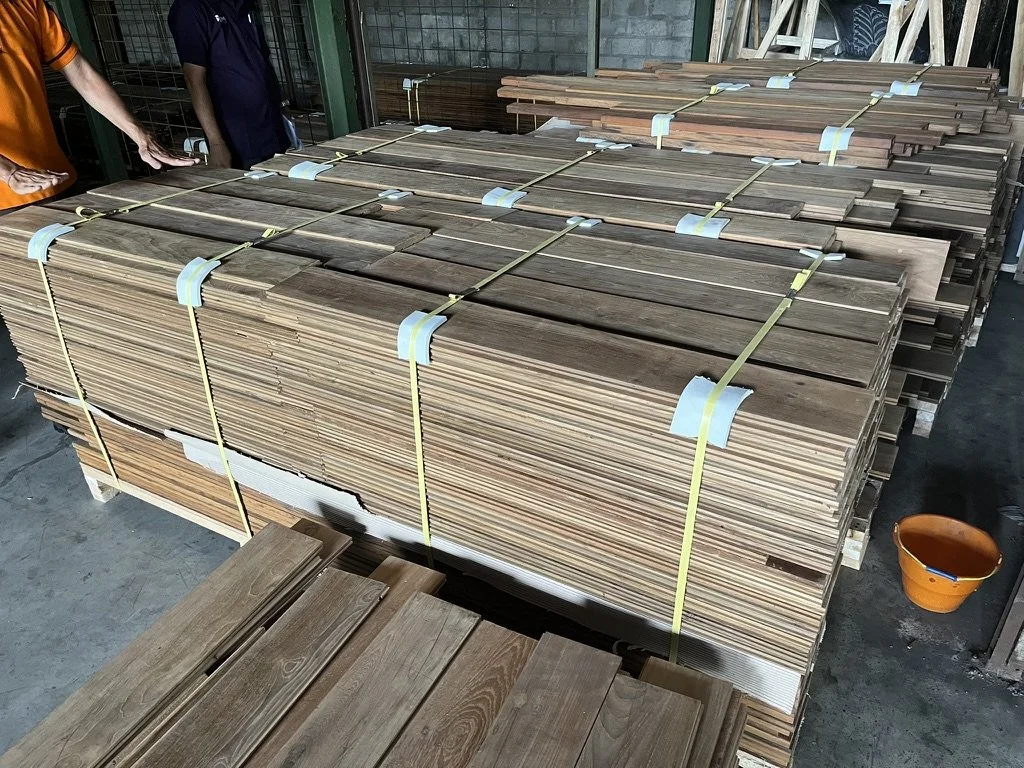
Recycled Teak, packed up and prepared for shipping.
Is recycled timber still a niche choice, or do you see it becoming a mainstream expectation in design and construction?
It's heading mainstream, fast. In Australia, designers and builders are asking harder questions about where materials come from and reclaimed timber answers almost all of them: low carbon, high performance, genuine character, and a story worth telling.
The supply is constrained by its very nature, and honestly, that scarcity is part of what gives it its value. You're not buying something that rolled off a production line.
In the Nordics, where we also operate, specifying reclaimed is already becoming the expectation rather than the exception. I think Australia is closer to that point than most people appreciate. Within five to ten years, I'd expect it to be the norm rather than niche.
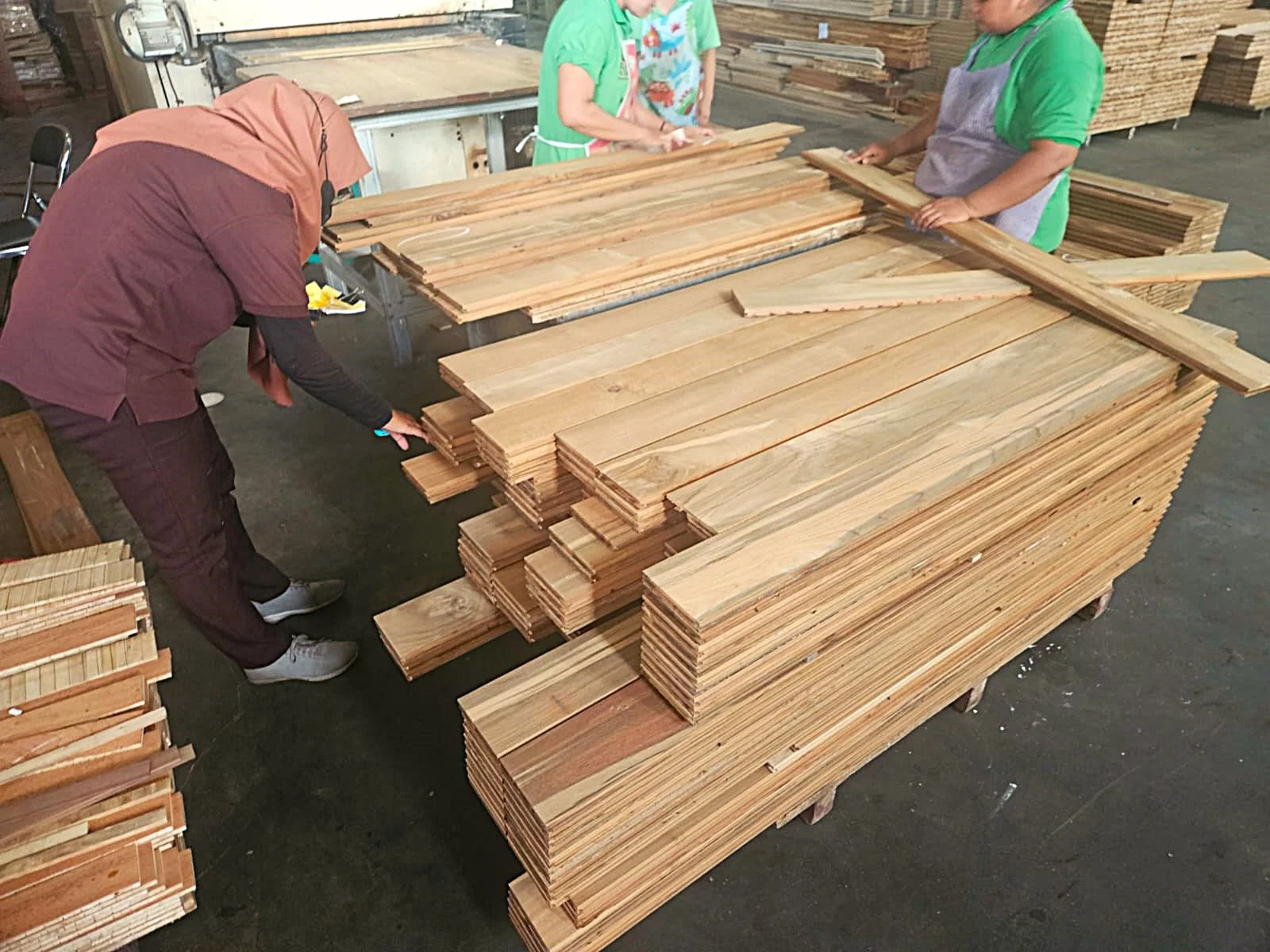
Recycled Teak heading for Thor’s Hammer.
What's one misconception about recycled timber that you actively want to challenge through Wood be Good?
We are really trying to challenge the misconception that reclaimed is somehow lesser - a compromise, a second choice. The reality is the opposite.
Reclaimed Ulin and Teak have already proven their durability across generations. Previous generations allowed trees to mature over hundreds of years before carefully selecting them for load-bearing structures; bridges, homes, and public buildings. That wood has survived tropical heat, monsoons, and everything Indonesia can throw at it. New timber hasn't proven anything yet.
We'd rather let the reclaimed wood speak for itself. When you hold a piece of reclaimed Ulin — feel the weight, see the grain — you understand you're not just buying timber. You're inheriting something. This wood was here long before you, and it'll be here long after. It’s the kind of material you pass down, not throw out.
Looking ahead, how do you see Wood be Good growing or evolving over the next 5 to 10 years?
We're still in our early days — our first shipments are landing in Australia and Denmark, and we're learning something new from every one of them. Partners like Thor's Hammer are invaluable in that process. The wood is proving itself. Now we build the business around it.
In the near term, that means more species, more products and more markets — while being deliberate and responsible about our footprint at every stage.
Longer term, this is about proving that a different kind of business works. It is one where profit funds forest regeneration, community partnerships and better practices across the supply chain — and where those investments make the operation stronger, not weaker. We track impact alongside revenue: wood reclaimed, fresh logging avoided, suppliers improving, communities benefiting.
We'd rather build this slowly and build it right. The forests we're trying to protect didn't grow overnight, and neither should we.
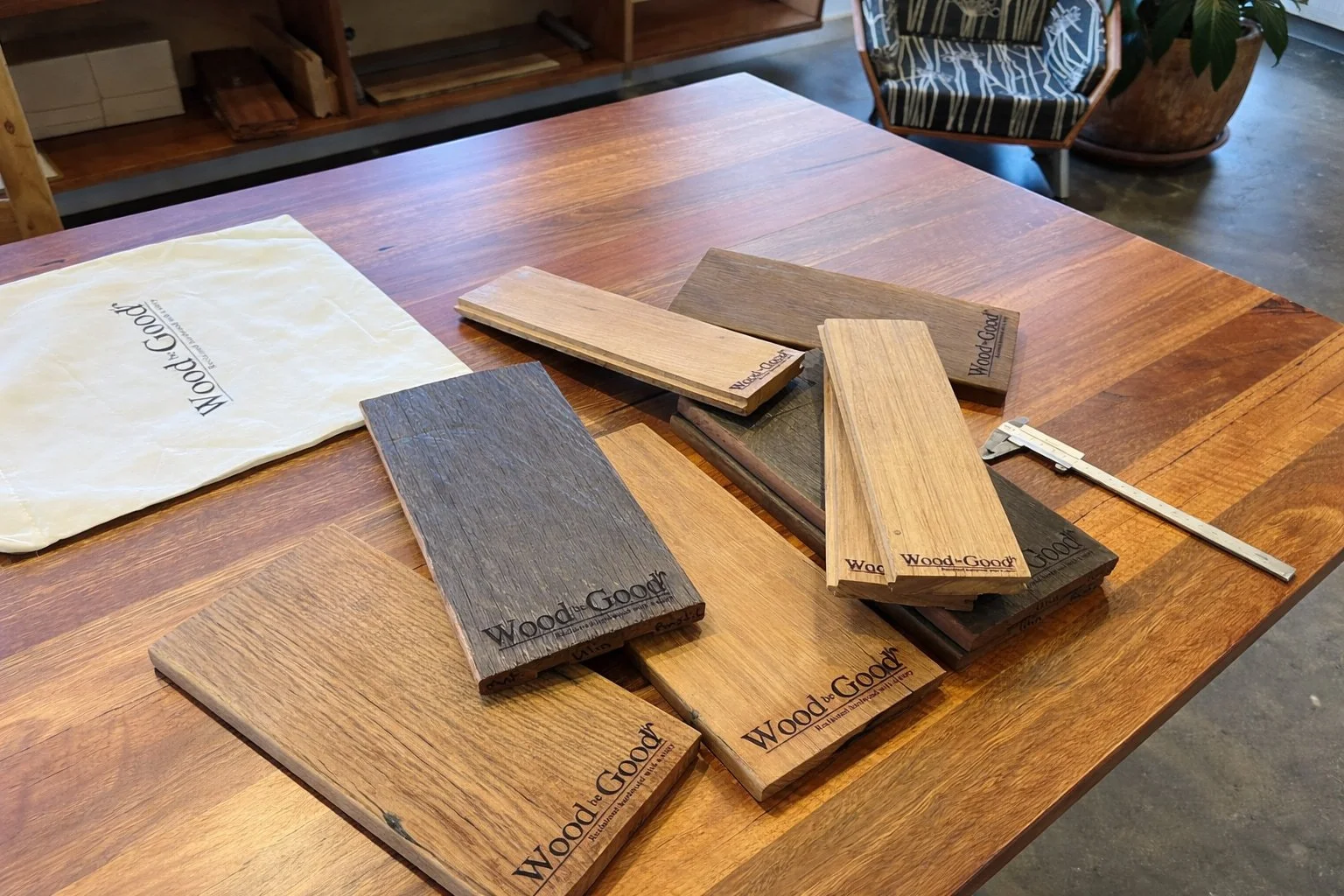
Ulin and Teak sample boards, visit Thor’s Hammer today.
For Tim, reclaimed timber is far more than a building material. It represents a chance to rethink how we source, value and use the resources already around us. Through Wood be Good, he and his team are working to prove that beautiful, durable timber can come from thoughtful recovery rather than fresh logging, and that businesses can succeed while strengthening forests, communities and supply chains at the same time.
As the first shipments of reclaimed Teak and Ulin arrive at Thor’s Hammer, the partnership marks the beginning of a shared effort to bring these remarkable materials to Australian makers and designers, and to demonstrate that the best timber for the future may well be the timber that has already stood the test of time.
Learn more about the Wood be Good recycled timber arriving at Thor’s Hammer here and register for our launch event here.